A Designer’s Hands-On Review of the I Love Pinball Embroidery File
Whenever a new embroidery design lands on my desk, my first instinct isn’t to look at the file formats or specs—it’s to imagine it stitched. I picture it on a finished product, held in someone’s hands, or hanging on a boutique shelf. That’s the lens I’m using for I Love Pinball. As a designer who regularly turns digital files into physical, sellable goods, I want to share a practical, no-hype look at how this graphics file performs for real-world embroidery projects.
The Immediate Mood and Visual Personality
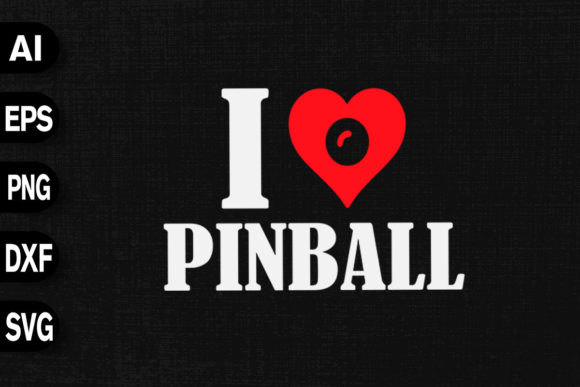
The first impression of I Love Pinball is pure, upbeat nostalgia. It doesn’t feel overly technical or cold; it’s playful and graphic. The layout is bold and clear, which is a huge advantage for embroidery. This isn’t a design that gets lost in subtlety. Its personality leans toward fun, retro, and statement-making. I immediately thought it would belong perfectly on something worn or used casually—a tote bag tossed on a shoulder, a vibrant sweatshirt, or a playful apron. It has that kind of easy, engaging charm.
Where This Design Shines in Real Projects
Let’s walk through a scenario. I recently had a client request a custom embroidered tote bag for a pinball tournament prize. They wanted something memorable, not corporate. I Love Pinball was a contender. On a sturdy canvas tote, this design would stitch out as a fantastic focal point. The bold shapes and clear lettering translate well into satin stitches and fill areas, creating a product that feels both handmade and professionally finished.
Beyond totes, here’s where I see natural fits:
- Casual Apparel: Hoodies and t-shirts are obvious winners. The design’s energy matches the relaxed vibe of these garments.
- Giftable Home Goods: Think pillow covers for a game room, tea towels for a fun kitchen, or even a small blanket. It adds personality without being overly personal.
- Boutique & Small Shop Merchandise: For an Etsy seller or craft fair vendor focusing on retro or hobby-themed products, this becomes a ready-made design asset. It can be scaled for mugs, stickers, or as an embroidered patch sold separately.
- Personalized Gifts: For the right recipient—a pinball enthusiast, a bar owner, a collector—an embroidered cap or apron with this design feels thoughtful and specific, elevating it above a generic gift.
The key is that I Love Pinball carries enough visual weight to be the star of a product. It doesn’t need supporting elements, which makes it efficient for a craft business or a quick holiday embroidery project.
Careful Considerations for Stitching Success
While the design is graphic and clear, embroidery is about translation from screen to stitches. Here are the practical points I’d consider before running my machine.
On textured or stretchy fabrics like some sweatshirt materials, the larger fill areas will need proper stabilizer to prevent puckering. For dark fabric backgrounds, thread color contrast is critical—you’d want to test that the intended colors pop enough. The design’s scale is also important. If you’re thinking of a tiny version on a baby item or a delicate corner of a tea towel, you must inspect the small details and lettering. Tiny, dense satin stitch lettering can be tricky. A medium hoop size feels like a safe, comfortable home for this embroidery file.
For curved surfaces like caps, the design’s central, balanced layout should work well, but again, testing on scrap fabric or a mock cap panel is a non-negotiable step. And for products destined for frequent washing, like apparel or kitchen towels, ensuring the stitch density is secure and the threads are robust will affect longevity and customer trust.
How It Impacts Your Product’s Appeal and Value
From a seller’s perspective, using I Love Pinball on a finished product adds instant recognition and theme. It communicates a specific hobby love, which helps it stand out in a crowded marketplace of generic phrases. That specificity can boost giftability—people buy it for a known person or interest.
The clean, bold execution of the design, when embroidered well, reinforces a sense of professionalism. It looks intentional, not slapped on. For a handmade shop owner, this consistency in quality helps build brand credibility. A well-stitched version on a tote bag or sweatshirt feels like a premium, thoughtful product, not just a quick craft.
Essential Designer Notes Before You Stitch
My routine before any commercial embroidery project involves a few checks, and I’d apply them all here.
- Always test on scrap fabric of the same type you’ll use for the final product. This reveals how the fill stitches behave and if any small areas need adjustment.
- Check thread color contrast on both light and dark backgrounds. Sometimes a digital preview looks great, but the stitched version needs a brighter or darker thread choice.
- Run a black and white mockup. This helps you see the design purely as shape and density, stripping away color bias.
- Confirm your hoop size can accommodate the design at your desired scale without forcing unnecessary compression.
- Most critically, verify the licensing terms of the digital embroidery file for your intended use. Whether it’s for personal gifts or commercial sales for your small business, knowing the rules protects your work and respects the creator.
Since the product description mentions compatibility with Cricut and Silhouette, and use for various purposes, it’s clearly versatile. However, for machine embroidery specifically, you’ll need to ensure you have the correct file format for your machine from the source. Don’t assume; check.
The Bottom Line for Makers and Entrepreneurs
I Love Pinball is a graphics file with strong, straightforward appeal. It’s a design that reduces guesswork because its intent is clear. For embroidery, it belongs on products where fun and personality are the selling points. It will likely stitch up cleanly on medium-to-large items with proper preparation. Its value lies in its niche recognition and bold visual style, which can make a handmade product feel both specific and professional.
For the crafter, it’s a fun project. For the Etsy seller or boutique owner, it’s a ready-made design asset for a targeted audience. Approach it with practical embroidery habits—test, check, stabilize—and it should translate into a finished product that delights both you and your customer, whether that customer is a gift recipient or a paying client who just loves pinball.