A Pinball Design That Stitches Up Feeling Good
First Impressions: Where This Design Lands
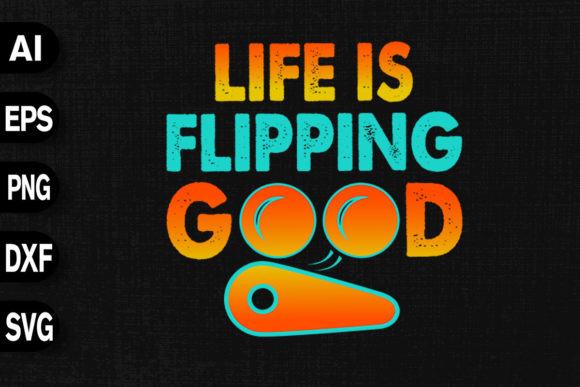
When I opened the Life is Flipping Good - Pinball file, my immediate reaction was a smile. It’s not just a graphic; it’s a mood. The playful pinball machine theme paired with that optimistic phrase creates a visual personality that’s both nostalgic and cheerful. The layout feels balanced, with the pinball machine acting as a central, detailed illustration and the text cleanly integrated. This isn’t an overly complex, finicky design—it’s one with a clear focal point and a level of detail that suggests it will translate well into stitches without becoming a muddy mess. It naturally belongs to projects meant to spark joy: gifts, casual apparel, and products for people who appreciate a lighthearted, retro vibe.
The Perfect Project: A Custom Embroidered Tote Bag
I pictured this design on a sturdy canvas tote bag almost instantly. Imagine a customer ordering a personalized bag for a friend who loves arcade games or needs a daily reminder to stay positive. The size of the design would allow it to be a prominent feature on the bag’s front panel, not too small to lose its impact, not so large it becomes overwhelming. The mix of illustrative elements and text makes it feel substantial, adding perceived value to a simple tote. It’s exactly the kind of handmade product that would stand out at a craft fair or in an Etsy listing—unique, conversational, and full of personality.
Performance Across Real Embroidery Situations
Let’s walk through where this embroidery design shines and where you need to think practically.
For custom apparel like t-shirts and sweatshirts, it’s a strong candidate. On a mid-weight cotton tee, the design would become a great focal point. For a hoodie or heavier sweatshirt, you’d need to ensure your stitch density is appropriate for the thicker fabric so the details remain clear. It would make a fantastic, durable gift on a baby item like a denim jacket or a quilted blanket, avoiding overly small areas that might not withstand frequent washing. As an embroidered patch, it would be absolutely charming—the pinball machine details would pop with satin stitch borders, and it could be applied to anything from a backpack to an apron.
Think about kitchen towels, pillow covers, or caps. On a curved surface like a cap, the design’s width is important; you’d need to check the orientation and ensure the text remains legible when stitched on that curved panel. For home decor like a pillow, it injects a fun, personal touch that elevates a simple item into a boutique product.
Where to Use With Careful Consideration
This design has text and some likely detailed corners within the pinball machine illustration. On very small hoop sizes, the tiny lettering in “Flipping Good” could become a challenge, risking stitch crowding and loss of clarity. I would avoid using it on overly stretchy fabric or very thin fabric without extensive testing and the correct stabilizer, as the stitch density needed for the fill areas could cause puckering or distortion.
Dark fabric presents its own test. The design likely relies on contrast—the classic pinball machine colors against a dark background would need thoughtful thread color selection. You wouldn’t want the lighter details to vanish. Also, for products destined for frequent washing, like baby clothes or tea towels, you’d want to ensure the smaller stitches are secure and the overall embroidery is robust.
How This Design Elevates Your Finished Product
Using Life is Flipping Good - Pinball isn’t just about putting a graphic on something. It’s about crafting an experience. The visual appeal is high—it’s recognizable, thematic, and engaging. For a customer, seeing this neatly embroidered on a product signals care and customization. It builds customer trust because the design feels complete and professionally integrated, not slapped on.
For your craft business, it contributes to brand consistency if you specialize in playful, personalized gifts. Its giftability is obvious; it’s a design that tells a story. This increases buyer engagement. People aren’t just buying a mug; they’re buying a mood, a memory, a fun statement. That emotional connection is what turns a simple embroidered project into a sought-after item.
Practical Notes for the Embroidery Designer
Before you load this file for a client project, do your due diligence. Always test the design on scrap fabric first, using the same material and weight as your final product. This is crucial. Check the thread color contrast against your background fabric—run a small section in both light and dark mockups mentally, or better, physically.
Review the stitch density in the preview on your machine; look for areas that might be too dense for lightweight fabrics or too sparse for heavy ones. Inspect the small details, particularly the lettering and any fine lines in the pinball illustration. Confirm your hoop size can accommodate the design with enough margin for good tension.
And this is vital: since the product description notes it’s an SVG file for various purposes and mentions compatibility, but doesn’t list specific embroidery file formats, you must confirm the exact file formats provided and their compatibility with your embroidery machine before proceeding. Also, absolutely check the licensing terms. Understand whether this digital embroidery file is cleared for both personal and commercial projects before you sell the finished embroidered items. This protects your small shop product and your professional reputation.
Final Thoughts on Stitching This One
Life is Flipping Good - Pinball is a design with genuine character. It’s not a generic graphic; it carries a theme and a message that resonates. From a designer’s point of view, it offers a solid foundation for creating embroidered products that feel special and thoughtfully made. Whether you’re embroidering it onto a tote bag for a local boutique, a sweatshirt for an online order, or a patch for a personalized gift, its success hinges on your practical embroidery skills—proper stabilizer, appropriate fabric choice, and careful testing. When executed well, this design doesn’t just sit on a product; it brings it to life, flipping that good feeling right into the hands of your customer.