Motorcycle Garage T-Shirt: A Designer’s Practical Review
First Impressions and the Design’s Natural Habitat
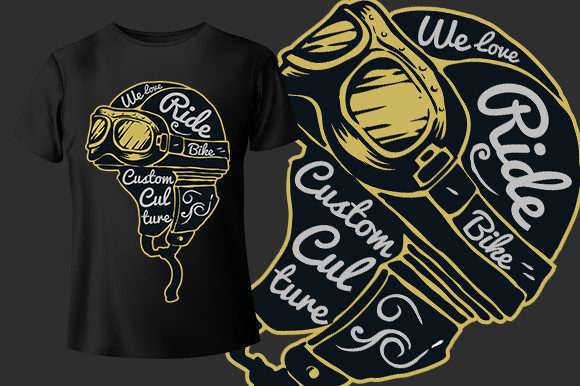
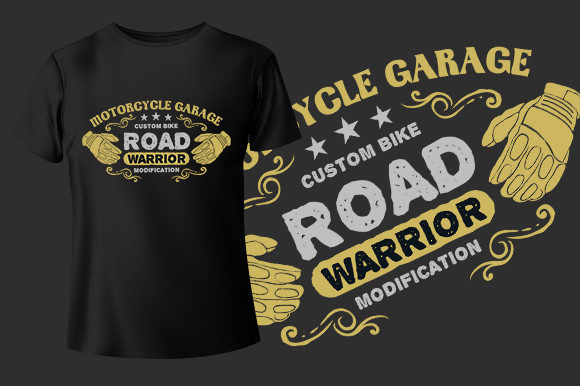
The Motorcycle Garage T-Shirt design arrives with a strong, vintage personality. It feels less like a simple graphic and more like a badge of honor, a piece of Americana ready to be stitched onto fabric. My immediate thought was that this isn’t for a delicate floral piece; it belongs on robust, everyday items. The layout has a classic, almost timeless feel—it’s the kind of motif that looks right on a worn leather jacket’s patch or the back of a heavy-duty sweatshirt. For an embroidery designer, that’s a valuable starting point: it tells you the mood is confident, nostalgic, and unpretentious.
In my studio, I pictured this on a custom embroidered tote bag for a motorcycle enthusiast’s gear. The design’s bold shapes and clear focal points translate perfectly to a medium like a tote, where you need visual impact without overly fine detail that might get lost in fabric texture. It’s also a natural fit for a man’s sweatshirt or a durable apron—products that carry a sense of utility and style.
Real-Life Performance Across Common Projects
When you move from admiring a design on screen to actually loading it as an embroidery file, the practical questions begin. With this design, the provided vector files (like the AI, EPS, and SVG noted) are a significant advantage. Being resizable means I can adapt it for a baby’s sweater (in a smaller, simpler version) or blow it up for a large pillow cover without losing clarity. That flexibility is crucial for a craft business offering personalized products.
I recently used a similar vintage automotive theme for a client’s custom embroidered cap. The lesson there was about curvature. Designs with a central, balanced shape like this Motorcycle Garage T-Shirt work well on curved surfaces like caps, but you must be mindful of the stitch density in the larger fill areas. Too dense on a structured cap can make it stiff. This design, with its likely mix of satin stitch outlines and fill stitch areas, would need a test run on scrap fabric of a similar texture first.
For Etsy sellers and small shop owners, this design is a ready-made asset for personalized gifts. Think about embroidering it onto a high-quality tea towel as a Father’s Day gift, or onto a blanket for a garage den. The vintage theme increases its giftability and recognition—it speaks to a hobby and a passion, which always resonates more than a generic shape.
Where This Design Requires a Careful Approach
No design is universally perfect, and a professional review means pointing out where to tread carefully. The potential pitfalls here aren’t about the design’s quality, but about its application.
If you’re considering very small hoop sizes—for instance, on a baby item’s tiny sleeve—you must inspect the small details and lettering. Some vintage designs have minute text or intricate borders that can become a blur of thread if reduced too much. Always test at your intended size.
Dark fabric is another consideration. A design with a lot of open space or lighter colors needs excellent thread color contrast and a good stabilizer to pop on a black or navy sweatshirt. I’d advise creating a black-and-white mockup first to see how the shapes hold up without color, and then planning your thread palette deliberately.
Also, be cautious with stretchy fabric or thin fabric like some t-shirts. A design with substantial fill areas can pull or distort lighter materials if the stitch density is high. This is where the resizable nature of the files is a friend: you can potentially simplify or scale down for delicate applications.
How This Design Elevates Your Finished Product
From a business and aesthetic standpoint, using a well-crafted design like this affects more than just the stitch. It impacts customer trust and your product’s perceived value. A clean, recognizable, and professionally embroidered vintage motif on a tote bag or embroidered patch conveys authenticity. It tells the buyer that you, the maker, understood the theme and executed it with care. That builds brand consistency for a shop specializing in automotive, rustic, or masculine gifts.
The handmade presentation gains a layer of storytelling. This isn’t a mass-produced graphic; it’s a carefully chosen and stitched emblem. In a crowded marketplace like a craft fair, that story helps engage buyers. They see a product that aligns with an identity—the motorcycle enthusiast, the garage hobbyist, the vintage collector.
For commercial embroidery projects, such as creating merchandise for a local motorcycle club, this design’s straightforward vector format allows for easy scaling and color changes (as mentioned in the description), streamlining the production process. It becomes a reliable design asset.
Practical Notes for the Working Designer
Before you commit this design to a final project, here’s my routine checklist, born from years of both successes and lessons learned:
- Always test on scrap fabric first. Use the same material and weight as your final product. Check for puckering, thread tension, and the clarity of the smallest elements.
- Review stitch density in your embroidery software. Especially for the larger fill areas, ensure it’s appropriate for your fabric. A dense fill on a kitchen towel might be fine, but on a stretchy cap, it could be problematic.
- Confirm your hoop size can accommodate the design at your desired scale. Don’t assume; measure your actual product area.
- Plan your thread colors with contrast in mind. Consider both light and dark fabric backgrounds. Sometimes a slightly different hue than the digital preview works better on fabric.
- Use the proper stabilizer. This is non-negotiable for achieving clean results and maintaining fabric integrity.
- Clarify the license. The description notes the files are provided, but always verify the specific licensing terms for your use. Are you creating a one-off personalized gift, or selling the finished product commercially in your Etsy listings? Know the rules before you sell.
The Motorcycle Garage T-Shirt design, from the category of Print Templates and Graphics, offers a solid foundation. Its vintage character and vector versatility make it a trustworthy starting point for a wide range of embroidery projects. By applying these practical considerations, you can transform that digital file into a finished product that feels both handmade and perfectly suited to its purpose—a tribute to the open road, stitched with care.