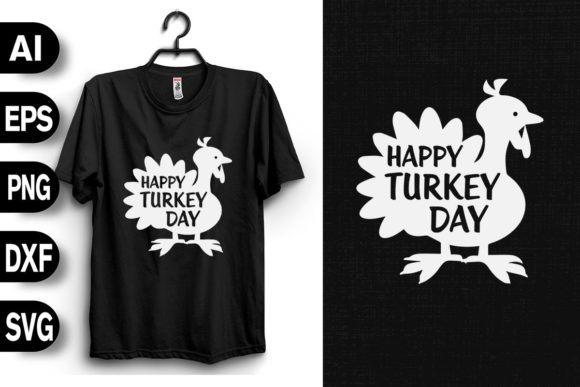
A Professional Designer's Take on the Happy Turkey Day Embroidery Design
Whenever a new holiday-themed design pops up in my library, my first instinct is to visualize it stitched out. Not just in a software preview, but in thread on fabric, under a hoop. The Happy Turkey Day design has been sitting in my project queue for a bit, and I've been mulling over where it would shine and where it might need a little extra consideration from an embroidery perspective. This isn't a review of the digital file itself—it's a review of its potential as a real, stitched product.
First Impression: Cheerful and Uncomplicated
The mood it sets is immediately warm and festive. The layout tends to be straightforward, which is a major plus for embroidery. Complex, overly detailed graphics can become muddy when translated into stitches, but a design like this, with its clear thematic elements, usually translates well. Its visual personality is friendly and approachable, not overly formal or cartoonish. It feels like it belongs on something meant to be used and enjoyed—a kitchen towel for a host, a tote bag for grocery runs during the season, or a cozy sweatshirt for a family gathering.
Where This Design Naturally Thrives in Embroidery
I picture this design excelling on medium to larger surfaces where the elements can breathe. An embroidered tote bag is a perfect real-life scenario. The fabric is sturdy, the area is generous, and the finished product becomes a reusable, celebratory item. Stitched onto the corner of a tea towel or a pillow cover, it adds a handmade touch to home decor without overwhelming the piece.
For custom apparel, think of a fleece sweatshirt or a sturdy cotton cap. The design’s typically uncomplicated shapes are forgiving on curved surfaces like caps, provided the stitch density is managed well. As a personalized gift, embroidering it onto a baby’s bib or a simple blanket for a Thanksgiving-themed nursery gift could be wonderfully charming. The scale feels right for these applications.
From a business standpoint, for Etsy sellers or small shop owners, this design could anchor a simple product line for the holiday. A well-embroidered apron or a set of kitchen towels with this motif would look cohesive and professional in product photos and printable mockups.
Points of Careful Consideration for Stitching
While the design seems simple, a few practical embroidery situations require forethought. If you're thinking of a very small hoop size, perhaps for a delicate baby item or a tiny patch, you need to check those smaller details. Tiny lettering, if present in the design, can be challenging to stitch with clarity; a satin stitch might become too dense, and a running stitch might not be readable.
Textured fabrics like some sweaters or thin fabric like lightweight t-shirts demand extra attention to stabilizer choice to prevent puckering. On dark fabric, the thread color contrast is paramount—you might need to opt for brighter, lighter tones than a digital preview suggests to maintain the cheerful mood. And for items that will undergo frequent washing, like baby clothes or kitchen linens, a robust fill stitch in the main elements will hold up better than overly fine details.
How Embroidery Elevates the Design's Appeal
A digital file is a blueprint; the embroidery is the house. When Happy Turkey Day is stitched well, it gains tangible value. The texture of the thread adds a layer of handmade charm that a printed sticker or vinyl cannot match. This directly impacts customer trust and perceived value—a neatly embroidered item on a craft fair table or in an Etsy listing communicates care and quality.
For a creative entrepreneur, using such a design consistently across a small holiday collection—say, on tote bags, aprons, and pillow covers—builds nice brand consistency. It becomes recognizable. The giftability factor skyrockets because an embroidered item feels personal and permanent. That final, physical finished product engages buyers emotionally.
Practical Notes from the Hoop
Before you commit this to a client project or a batch of small shop merchandise, here’s my standard checklist for a design like this:
- Always test on scrap fabric first. Use the same material and stabilizer you plan for the final project. This reveals everything: how dense it stitches, if small areas bunch, and the true color interaction.
- Review the stitch output in your machine software. Look for any unusually dense stitch areas that might be tough on thinner fabrics.
- Check the design in black and white mockups, or imagine it on both light and dark backgrounds. Does the composition hold its shape and message without color?
- Confirm the physical hoop size required for your machine. Does it fit on the items you want to decorate? A design might be perfect for a bag but too large for a cap.
- Since the product description mentions compatibility with various cutting machines and uses, remember: an embroidery file is a different beast. Ensure you have the correct embroidery format for your machine.
- If you intend to sell the embroidered items commercially, always confirm licensing for the digital design file before production. This is crucial for digital product sellers and apparel decorators running a business.
Embroidery transforms a graphic into a tactile experience. The Happy Turkey Day design, with its cheerful and clear intent, is a solid candidate for that transformation. Its real value isn't in the download; it's in the thoughtful application—choosing the right fabric, the perfect thread palette, and the product that best carries its festive spirit into the real world. Approach it with a professional's eye for detail, and it will reward you with a charming, market-ready holiday embroidery project.