Design Review: The Happy Llamakkah Embroidery File
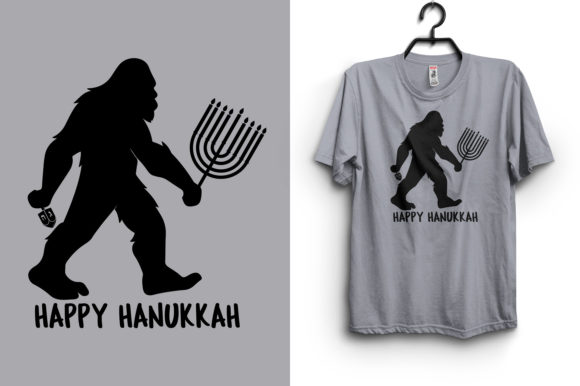
As someone who stitches designs for clients and for my own small shop, I always approach a new embroidery file with a practical eye. It's not just about whether a design is cute—it's about how it translates into thread on fabric, what kind of product it elevates, and ultimately, whether it connects with someone. Today, I’m considering the Happy Llamakkah T-Shirt Design, a graphic that lands squarely in the trendy typography and quote motivation category. Let's walk through what this means for real embroidery work.
The Immediate Mood and Personality
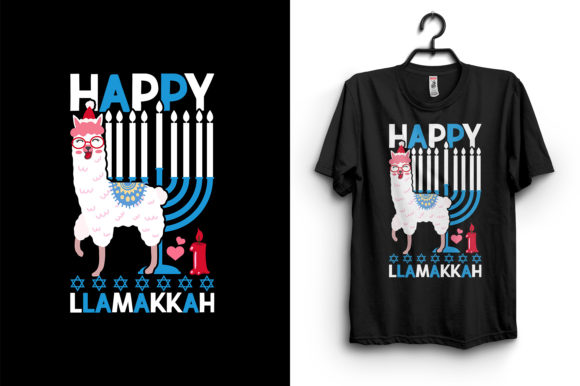
The first thing that strikes me about Happy Llamakkah is its playful, celebratory personality. The name itself blends a festive feeling with a lighthearted animal motif. This isn't a generic holiday phrase; it has character. For an embroidery designer, that’s a great starting point. The typography and layout will dictate the final feel—if it’s a bold, fun font, it will create a cheerful, approachable mood perfect for gifts and casual apparel. The llama element suggests a touch of whimsy, moving it beyond simple text. This design feels destined for projects that are personal, joyful, and a bit quirky.
Where This Design Finds Its Natural Home
Imagine you’re preparing a custom order for a client who loves unique holiday gifts. A Happy Llamakkah embroidered tea towel or apron instantly becomes a conversation piece in a kitchen. Or, consider a boutique looking for fresh merchandise: this design stitched onto a high-quality sweatshirt or tote bag taps into that niche market of folks who enjoy playful, theme-driven apparel. For a crafter making personalized baby items, a smaller version on a blanket or a little sweater could be utterly charming, playing on the friendly animal theme.
The category listed is Print Templates and the type is Graphics, which tells me this is offered as a digital design asset in formats like SVG, PNG, and EPS. This is crucial for embroidery. These vector-friendly formats mean the design can be cleanly converted into an embroidery file, allowing for precise scaling without losing quality. It’s a foundation for creating a clean machine embroidery design.
A Real Scenario: Crafting a Holiday Tote Bag
Let’s get specific. I picture using the Happy Llamakkah design to create a limited-run tote bag for my Etsy shop during the holiday season. The process starts not with the machine, but with the thought: How will this look stitched? The typography needs to be clear—small, intricate serifs or overly thin lettering can become muddy in satin stitch. The llama illustration, if included, needs open areas so dense fill stitches don’t pucker the fabric. A tote bag has a broad, flat surface, ideal for a larger, central design. The cheerful message makes it a giftable item, not just a bag. This is where design judgment meets product value.
Performance on Actual Products and Fabrics
For custom apparel like t-shirts and sweatshirts, the design’s success hinges on fabric choice. On a medium-weight cotton tee, with proper stabilizer, it should hold up well. However, on stretchy jersey or a very thin fabric, the stitch density required for the design could cause distortion or show through. For textured fabrics like a sweater, the raised surface might interfere with the clarity of small text details.
Moving beyond apparel, this graphic could shine as an embroidered patch. Applied to a cap or a backpack, the playful theme works well. On curved surfaces like caps, the design layout needs to be tested—lettering at the edges might warp. For home decor, such as a pillow cover or a kitchen towel, the design adds a handmade, personalized touch that elevates a simple item. In all cases, the visual appeal is tied directly to stitching clarity.
Where to Exercise Caution
Every design has its limits. With Happy Llamakkah, the potential pitfalls would likely be in scale and detail. If the design includes very tiny lettering or intricate corners in the llama graphic, attempting it in a small hoop size (like for a baby garment) could lead to lost definition. Embroidering on dark fabric requires careful thread color contrast planning—light, bright threads on dark backgrounds make the message pop. Also, for products destined for frequent washing, like baby clothes or aprons, a robust stitch construction is key; I’d always recommend testing on scrap fabric first to see how the stitches hold up.
Impact on Your Business and Your Customer
From a commercial perspective, using a design with this kind of specific, upbeat personality can boost buyer engagement. It feels current and crafted, not mass-produced. For a craft business or Etsy seller, it supports a handmade presentation that customers trust. When a gift item like an embroidered pillow cover has a unique phrase like this, its giftability increases—it feels thoughtful and niche. It helps with brand consistency if your shop leans toward fun, conversational products.
However, professionalism depends on execution. A poorly stitched version with thread breaks or misaligned letters undermines the design’s charm. That’s why the digital graphic asset is just the blueprint; the real work is in the embroidery setup.
Practical Notes for the Embroidery Designer
Before you stitch, here’s my routine checklist when evaluating a graphic like this for embroidery:
- Test on scrap fabric first. Use the same material and stabilizer you plan for the final product. This reveals any issues with stitch density or small details.
- Check thread color contrast. Run a test in both light and dark fabric mockups. Does the design maintain its visual punch?
- Review the design’s scale for your hoop size. Ensure all elements will be clear at your intended size.
- Inspect the smallest details in the file. Before converting to an embroidery file, look at the graphic closely. Are there any hairline strokes or minuscule gaps that might not translate well to stitches?
- Confirm licensing. The product description doesn’t specify license terms. It is essential to verify whether this digital embroidery file is for personal use, commercial use, or both before selling finished items or your own digital products.
- Use proper stabilizer. This is non-negotiable for clean results on any fabric, especially for designs with text.
Since exact details like stitch count, specific hoop size compatibility, or explicit license terms aren’t provided in the description, reaching out to the store or reviewing the included files for any documentation is a necessary step. Don’t assume.
The Final Stitch
The Happy Llamakkah T-Shirt Design as a graphic presents a solid foundation for a range of embroidery projects. Its playful, themed personality makes it a strong candidate for holiday gifts, boutique merchandise, and personalized items where a smile is part of the product. Its success, however, will be measured in your embroidery machine—by the clarity of the satin stitches forming the letters, by the smooth fill of the llama graphic, and by the final product’s ability to delight someone. Approach it with a practical, testing mindset, and it could become a joyful staple in your project lineup.