Evaluating the Cooking Class Kitchen SVG for Embroidery Projects
The First Stitch: A Warm, Welcoming Kitchen Vibe
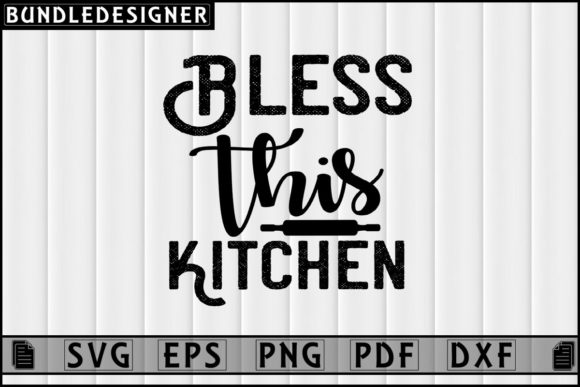
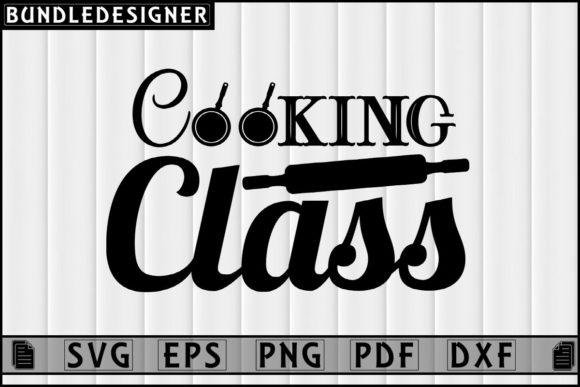
When you open the Cooking Class-Kitchen Svg T-shirt Design, your first impression is one of cheerful utility. This isn't a stark, minimalist graphic; it feels like a friendly invitation into a cozy, well-used kitchen. The layout and the assembled elements—the whisk, the pot, the rolling pin—create a visual personality that's both nostalgic and practical. It's a theme that speaks directly to a love for the craft of cooking, not just the function. For an embroidery designer, that mood is gold. It tells me this design isn't just for decoration; it's for personalized gifts and handmade products that carry sentiment.
The level of detail here suggests it belongs naturally on a medium-scale project. I'm immediately thinking of a nicely embroidered apron for a cooking enthusiast or a tea towel that would make a lovely wedding gift. The shapes are clear and defined, which is excellent news for stitch translation. Complicated, tiny interlocking details can become a nightmare on the hoop, but this design’s elements seem separate enough to allow for clean satin stitch borders and distinct fill stitch areas.
Where This Design Performs Brilliantly in Real Projects
Let's talk real life. Imagine you're preparing a custom embroidered tote bag for a client who runs a small baking blog. This Cooking Class-Kitchen design would be a perfect branding element for that bag—it's recognizable, theme-perfect, and professional without being corporate. Stitched onto a sturdy canvas tote, the design would hold its visual appeal beautifully.
For small business merchandise, like boutique sweatshirt embroidery or baby clothes for a "little chef" set, the design's charm translates directly into product value. On a baby onesie, scaled appropriately, it becomes a adorable, giftable heirloom. On a sweatshirt, it feels like a statement piece for a home cook. The inclusion of common kitchen tools gives it a universal recognition that resonates with buyers at craft fairs or in Etsy listings. It doesn't require explanation; the theme is instantly understood, which boosts customer engagement.
As a digital embroidery file provided in multiple formats like SVG and PNG, its utility extends beyond the hoop. You can easily create printable mockups for your shop or use it within other design assets for branding. This flexibility is crucial for creative entrepreneurs who operate across both physical products and digital storefronts.
A Scenario: The Embroidered Holiday Gift Apron
Picture this: a client wants a personalized holiday gift for their mother, an incredible home cook. You're considering this Cooking Class-Kitchen SVG for an apron. The practical judgment comes in. Will the elements stitch out clearly on the often-textured fabric of an apron? The design's open, well-spaced composition suggests yes. You'd likely choose a crisp white or natural linen apron as the background to maximize the thread color contrast, making the rolling pin and whisk pop. The finished product wouldn't just look handmade; it would look professionally and thoughtfully handmade, building immense customer trust and satisfaction.
Caution Areas: Where to Hoop Carefully
No design is universally perfect for every application, and a realistic review requires noting the careful considerations. While the design isn't overly dense, its success depends on context.
On small hoop sizes, particularly for items like caps or curved surfaces, some of the smaller illustrative details might need to be simplified or might risk losing clarity. Tiny lettering isn't a primary feature here, but the smaller tool elements require attention on textured fabrics or stretchy fabric like thin t-shirts. A good stabilizer choice is non-negotiable here.
For dark fabric backgrounds, you'll need to plan your thread colors strategically. A light-filled design like this could get lost on a black sweatshirt unless you opt for bright, contrasting threads. Also, on products destined for frequent washing, like kitchen towels, consider reinforcing areas with potential high stitch density to ensure longevity.
The Embroidery Designer's Practical Notes
Before you commit this Cooking Class-Kitchen Svg T-shirt Design to a client's project or your shop inventory, run through this checklist.
- Always test on scrap fabric first. Use the same material you intend for the final product. This reveals how the stitch density behaves and whether any details blur.
- Check thread color contrast. Pull out potential color palettes and see them against your fabric choices, both light and dark.
- Review the design in black and white. This simple trick helps you see the pure shapes and balance, stripping away the color distraction.
- Confirm your hoop size is appropriate for the scale you want. Don't force a large design onto a small available hoop area.
- Inspect the small details in your software. Are the lines for the whisk handle clean and separate? This prevents thread breaks and messy overlaps.
- Crucially, check the licensing terms provided with the files. The product is categorized under Print Templates and Graphics. Before selling any finished embroidered items or using it in commercial embroidery projects, you must confirm that your use—whether for personal gifts or small shop products—is permitted under the license you purchased.
Ultimately, this design offers a strong foundation for a wide range of embroidery projects. Its warmth and clear composition can elevate a simple custom apparel item into a cherished personalized gift or a standout piece of small shop product merchandise. By approaching it with a practical, tested mindset, you ensure that the final stitched product reflects the quality and care your craft business embodies.